
For homeowners · 2–3 min read
Deck Resurfacing: A New Surface Without a Rebuild
How resurfacing works, when your framing qualifies, and why it is the most cost-effective way to get a like-new deck.
October 2, 2026
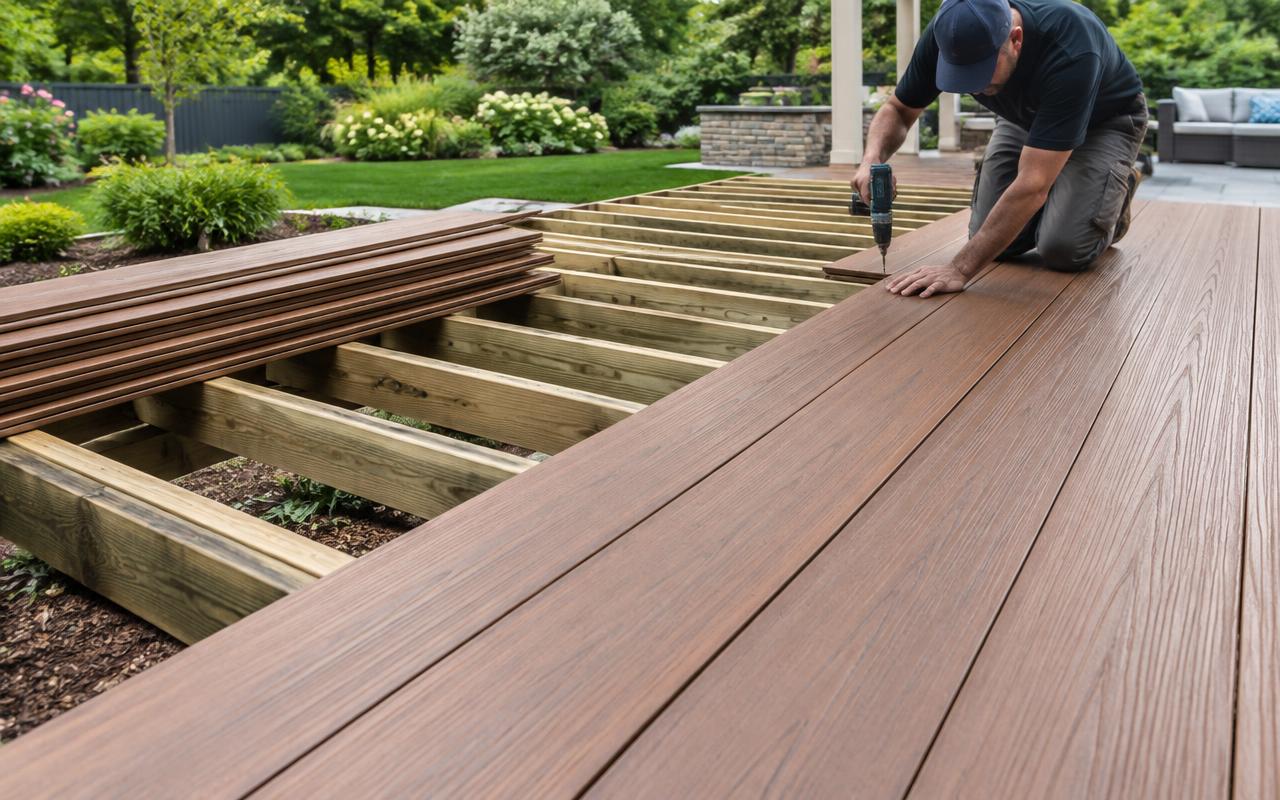
If your deck's bones are good but the surface is cracked, splintered, or gray, resurfacing replaces the boards and railing while keeping the frame. You get a deck that looks and feels new for a fraction of the replacement cost.
What resurfacing includes
- Removing old deck boards and railing
- Inspecting and reinforcing the existing framing
- New decking in wood, composite, or PVC
- New railing system
- New stair treads where needed
- Fresh fasteners and hardware
The framing has to earn it
Resurfacing only makes sense on a sound structure. Posts, beams, joists, and the ledger need to be free of rot and insect damage, properly connected, and up to the loads of the new surface. A reputable contractor inspects the frame before quoting a resurface — be wary of anyone who quotes one sight unseen.
Joist spacing matters too. Some composite products require tighter spacing than old wood decks were built with, which can mean adding joists.
The upgrade opportunity
Resurfacing is the most popular path from wood to composite. The frame stays, the maintenance disappears. It is also the moment to change the railing style, add picture-frame borders, or run boards on a diagonal — changes that cost little extra when the surface is coming off anyway.
Price a resurface for your deck
On the resurfacing project page you can enter your deck's size and choose the new surface and railing to see one estimated quote from your local participating contractor's pricing. They verify the framing onsite before the final number.
See what your deck project would cost
Map your deck, choose your materials and options, and get one estimated quote based on your local pro’s actual pricing.
Get My Deck Quote